Kilimanjaro, Salkantay & Everest Base Camp: Inside a Month of Altitude Member Climbs

A Season of Summits: Inside a Month of Altitude Achievements

It’s been a remarkable stretch across the Altitude community.

From Mount Kilimanjaro and the Salkantay Trek to Everest Base Camp and the high peaks of Nepal, members have been taking on ambitious objectives around the world. Each journey brought its own challenges—altitude, weather, fatigue—but all were grounded in the same foundation: preparation, consistency, and a willingness to step into something demanding.

And the momentum isn’t slowing down. One member recently summited Manaslu (8,163 m / 26,781 ft)—with her full story coming soon.

What follows is a look inside some of the climbs and treks that defined the past month.

Jessica on Kilimanjaro: Grit Through Every Condition
high altitude climb training

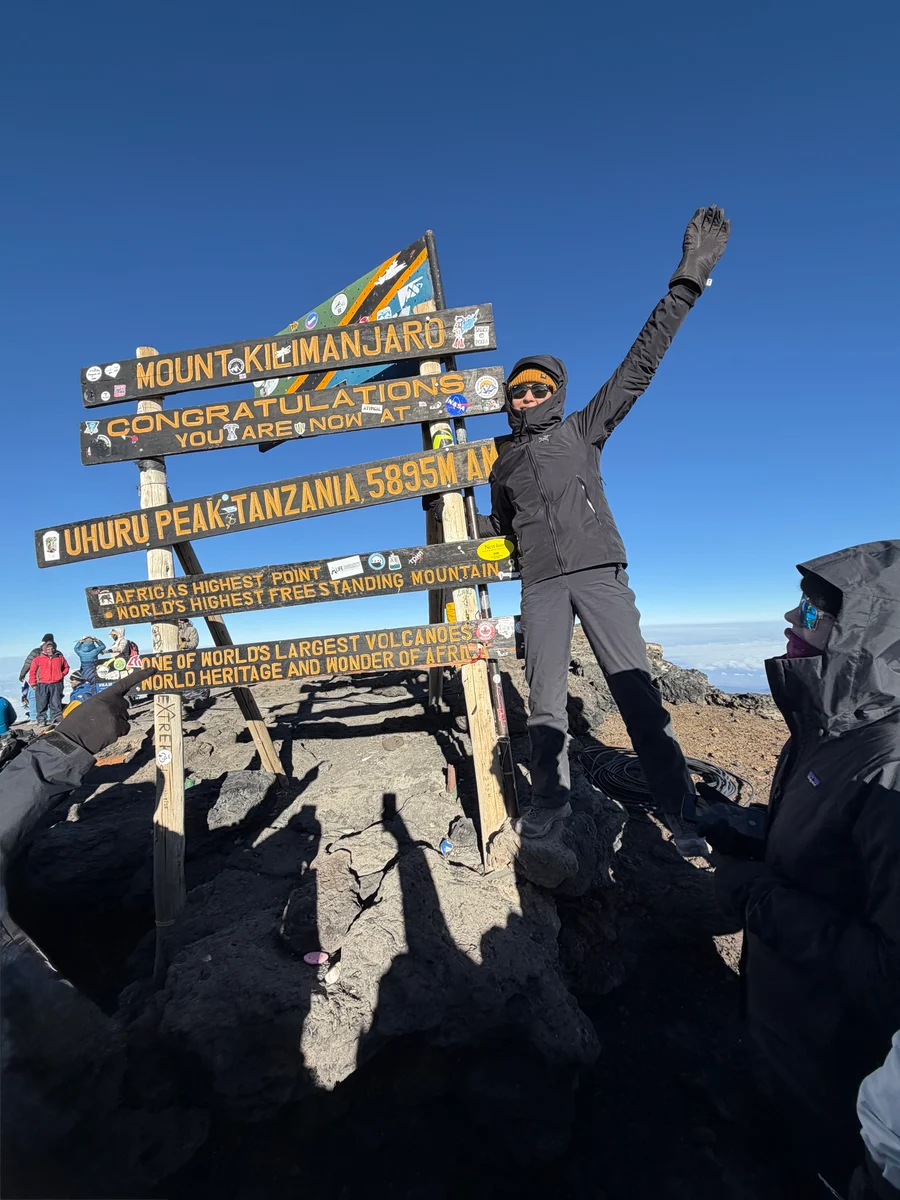
Altitude member Jessica recently returned from an unforgettable trek up Mount Kilimanjaro—one that tested her in every way.

Her climb included everything from rain and snow to crowded summit conditions and a brutally cold summit night. Despite the chaos of summit day—where she described the line for photos as “worse than trying to get a picture with the Mona Lisa”—she stayed focused and pushed through.

The result: a successful summit.

“Despite committing to a training plan so last minute, the one month altitude-specific training honestly gave me the confidence and conditioning I needed to summit successfully. The climb felt easy, and I completed the trek in perfect health with no signs of AMS (big win).”

Even after returning home with a tough cough, Jessica didn’t slow down—completing a half marathon she admitted she “dreaded 80% of.” But she ran the entire thing.

That’s the kind of strength that carries far beyond the mountain.

Rachael on the Salkantay Trek: Strength at Altitude
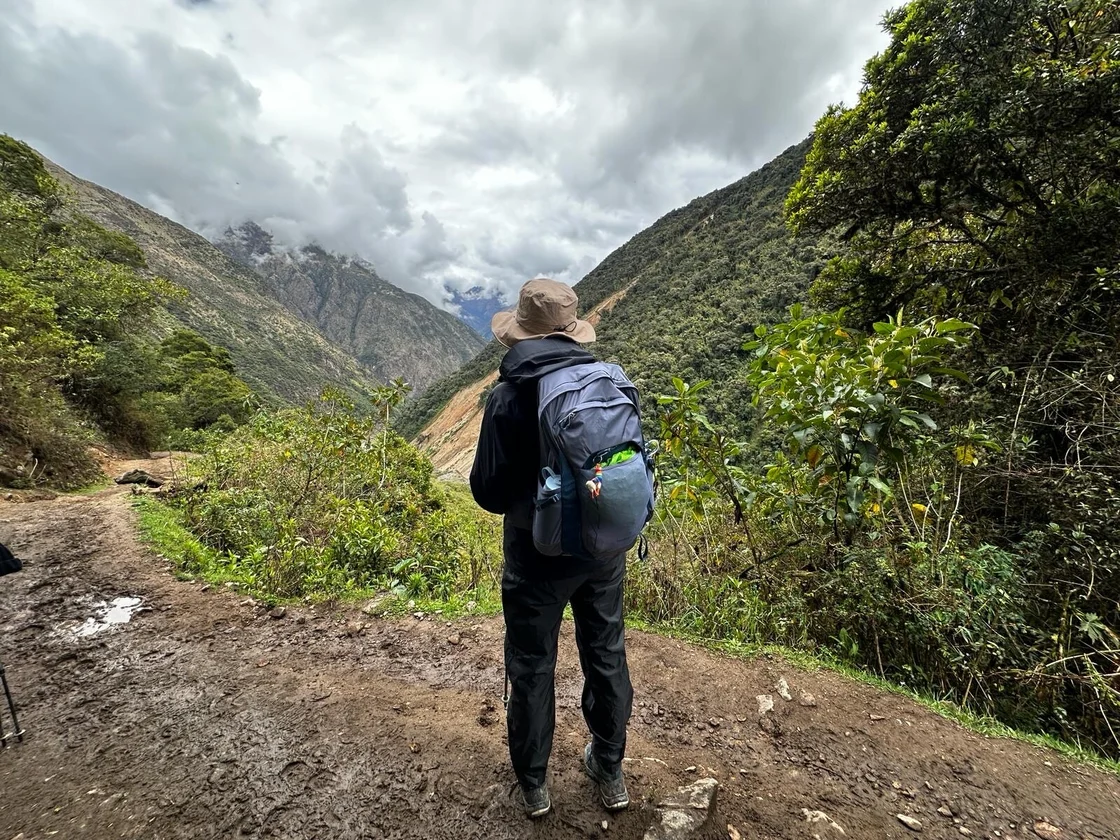
Altitude member Rachael recently completed the Salkantay Trek to Machu Picchu—an experience defined by both beauty and variability.

Her journey took her through warm valley conditions and up into snow and hail at the trek’s highest point, around 4,600 metres. While weather limited visibility at the pass, the experience itself left a lasting impression.

“Training at Altitude was definitely a game-changer, both physically and mentally. Physically, my cardio was so much better and I could barely feel the altitude on the trek. Mentally, it was super comforting to know I’ve experienced the altitude before and even if my oxygen dropped below the 90s, I could still have a great hike.”

Her experience reflects something we see often: when the body is prepared, the mind follows.

Rob's Transformative Journey to Everest Base Camp

We’re honoured to highlight Rob, who recently completed one of the most iconic and challenging treks in the world: Everest Basecamp. Rob described the trek as “a culmination of emotions” and felt a deep sense of gratitude for the chance to be in the Himalayas. As he put it:

“The beauty of the Himalayas, the Nepalese people and the overall experience was transcending. We could learn so much from them—their strength, resilience, warmth and humility.”

Rob also credits his training at Altitude Athletic as a key factor in his success:

“My training at Altitude was extremely impactful. Without it, I would have never been able to make it—not only from a physical standpoint, but preparing my lungs for acclimatizing to the high altitudes.”

One piece of advice he emphasizes for future trekkers: don’t skip the breathing exercises.

“It wasn’t until after I had exhausted myself and started to contract a persistent cough that I realized the importance of the breathing exercises your instructors had taught me. After incorporating your advice, I was recovering by the third day and able to reach Base Camp on schedule.”

Rob’s journey is a reminder that mountain experiences are rarely just physical , they are deeply human. They reveal strength, humility, and perspective in equal measure.

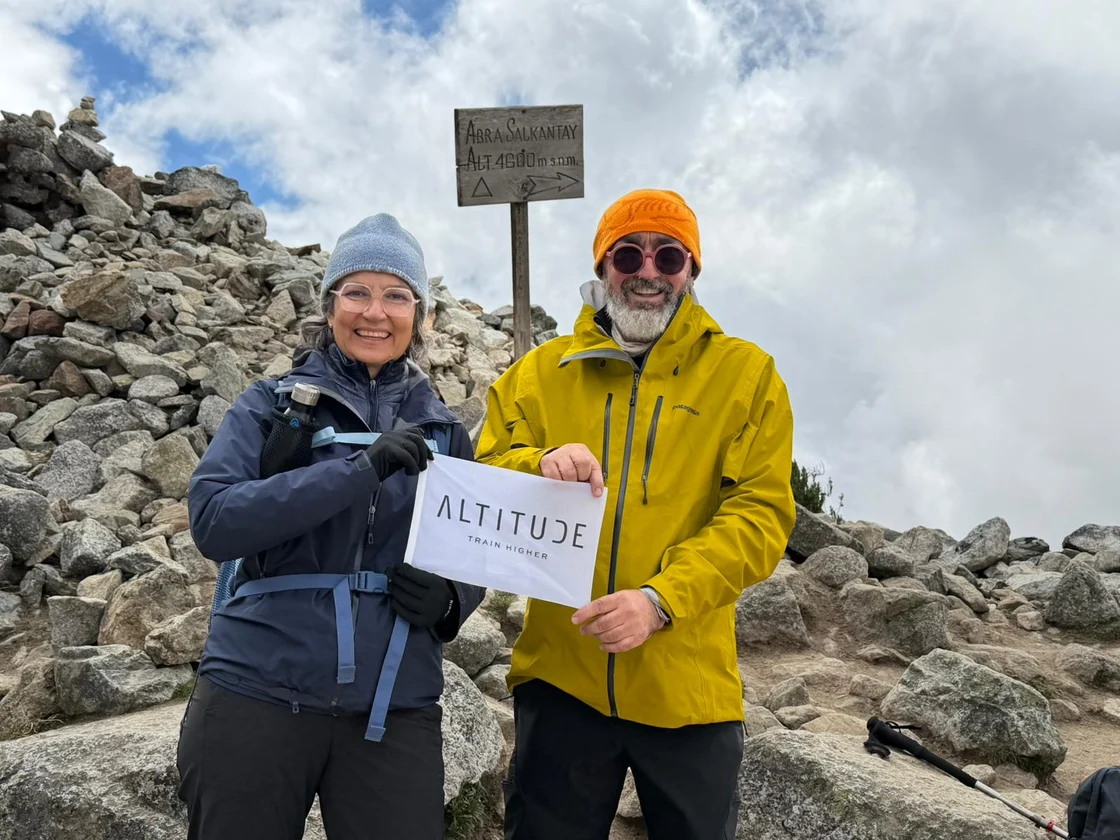
Doriana and Claudio Made it to Salkantay Pass
high altitude climb training

Doriana and Claudio also took on the Salkantay Trek, reaching the demanding Salkantay Pass at approximately 4,600 metres.

Their journey moved through a wide range of terrain—from lush valleys to exposed high-altitude landscapes—culminating in a shared milestone that required both physical and mental resilience.

After returning, Claudio shared a simple but meaningful reflection:

“The training with you guys at Altitude really helped! Thank you for helping us achieve this!”

A powerful reminder that preparation doesn’t just show up in performance—it shows up in confidence.

Sunrise Summits In Nepal for Kristi, David, and Nicole
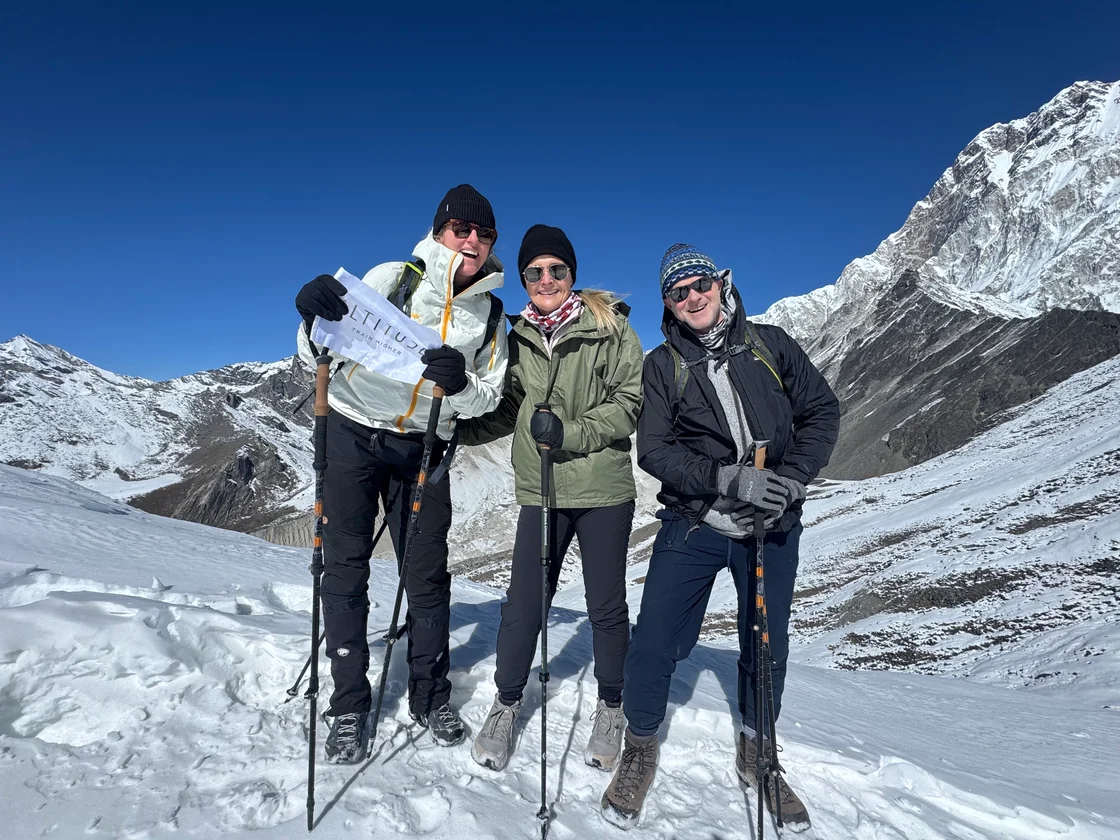
Altitude members Kristi, David, and Nicole recently returned from a two-week trekking expedition in Nepal, where they took on multiple high-altitude objectives.

Over seven days of trekking, they summited:

  • Pikey Peak (15,500 ft) — reached at sunrise, with views of Everest in the distance
  • Chhukung Ri (17,800 ft) — a more demanding climb with expansive Himalayan views

Not only did they successfully summit both peaks, but they did so feeling strong throughout.

Their preparation allowed them to move efficiently at altitude and fully experience the environment around them—rather than simply endure it.

What These Journeys Show

Across all of these experiences, one thing is clear:

There is no single version of a “mountain objective.”

Some are defined by summits.
Others by the journey itself.
All of them require preparation.

Whether it’s Kilimanjaro, Salkantay, Everest Base Camp, or the peaks of Nepal, the common thread is the ability to show up ready—to handle the altitude, adapt to changing conditions, and keep moving forward when things become difficult.

These achievements are not isolated moments. They are the result of consistent work over time.

And they’re only the beginning.

Book Your Complimentary Coach Consult

If you’re planning a climb or trek at altitude, the right preparation makes all the difference.
Book a complimentary 30-minute consult and we’ll walk you through how to approach your training.
How difficult is the hike to Machu Picchu?

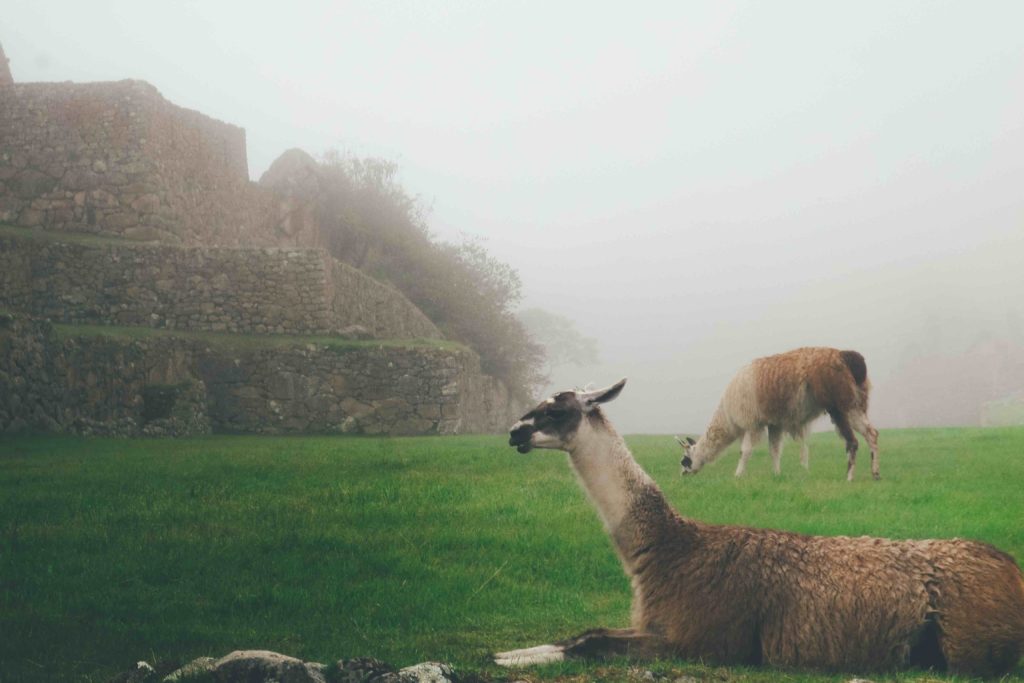
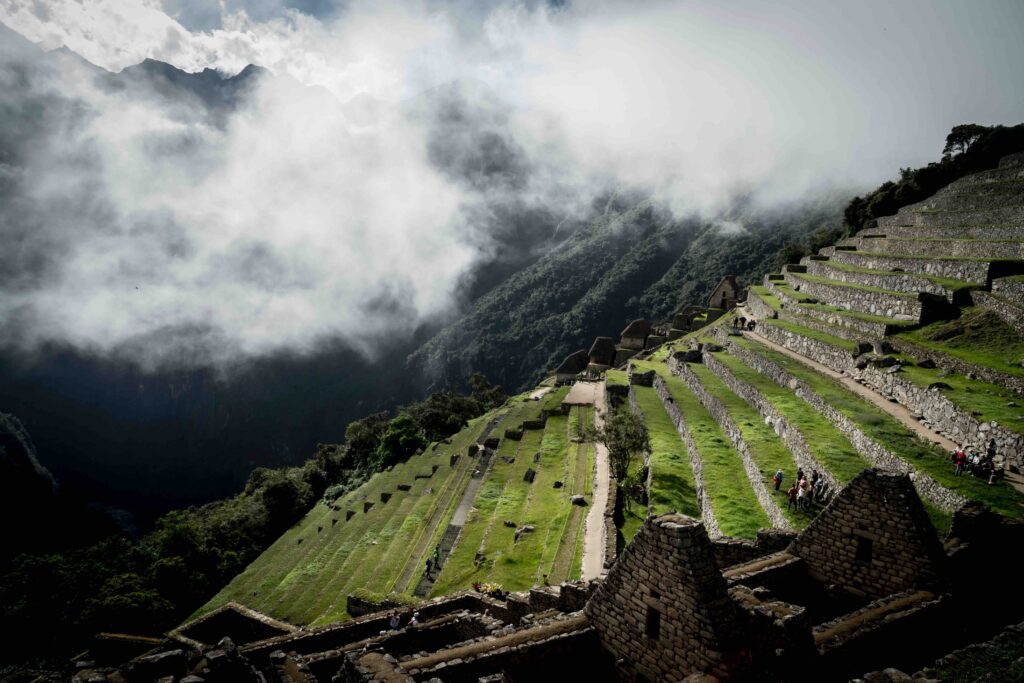
By this point, you’ve likely scrolled past your fair share of social media pics backdropped by the mysterious Peruvian city in the sky—aunts and uncles communing with shaggy llamas, friends clambering up dirt paths, workmates teetering on a stone outcropping, peering down at the ancient city.

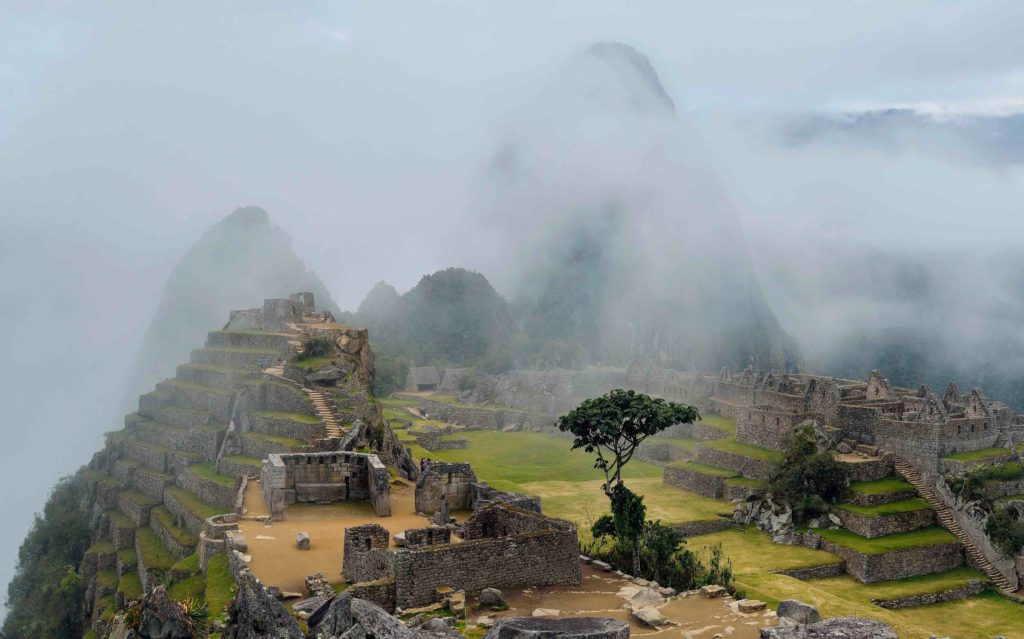
Machu Picchu is one of the most visited tourism destinations in the world. On average, it attracts close to 1.2 million visitors a year and was voted one of the new seven wonders of the world in 2007. The site has become so popular that the Peruvian Ministry of Culture, in an attempt to preserve the site, has had to set a limit of 2,500 tourists entering the citadel a day.

The site’s popularity, however, significantly underplays the effort it takes to get there. At nearly 8,000 ft. above sea level, Machu Picchu is perched amongst one of Peru’s highest mountain ranges. Meaning whichever route you take to reach the Inca Citadel, you’ll have to deal with some major altitude adjustments.

Before embarking on your Inca adventure, check out these potential pitfalls to ensure you’re prepared for the trip.

Feeling funny?

The most pressing concern when ascending to high altitude—defined as any height above 8,000 ft.—is altitude sickness. This occurs when the body doesn’t have enough time to adapt to decreased air pressure and oxygen levels. Symptoms include dizziness, fatigue, shortness of breath, and loss of appetite.

While not everyone who hikes to Machu Picchu will be afflicted by altitude sickness, those who are may see their Inca adventure come to an abrupt end. To prevent this from happening, take Diamox one to two days before starting your hike. The medication helps reduce symptoms and eases the adjustment to altitude.

It’s also a good idea to take the hike slow. Your body needs time to acclimatize to the altitude. To help with the acclimatization process and to make sure you have enough energy, keep yourself well hydrated and fed throughout the hike. The porters cooking your meals should help with this, but it’s still a good idea to throw a hydration pack in your bag and some high calorie snacks.

If you do start to experience symptoms, stop and rest for at least a day. If they don’t go away, it might be time for you to turn around.

Choose a trail, any trail

There are many ways to get to Machu Picchu. The most popular is the Inca Trail, a four-day, three-night hike through lush cloud forests, ancient Inca ruins, and majestic Andean peaks. In 2002, however, the Peruvian Ministry of Culture introduced permits for the trail, limiting the number of people to 500 a day (approximately 300 of those permits are allocated to cooks, porters, and guides, leaving only 200 for tourists).

To hike the Inca Trail, you have to book it months in advance. It isn’t a particularly long hike, spanning only 40 kilometres, but it is straight up some steep Andean paths. The trail hits its peak at Dead Woman’s Pass (named after the crests that resemble a woman’s supine body) standing 13,828 ft. above sea level.

If you weren’t able to secure a permit, don’t worry. There are other options. The Salcantay Route is much easier to book and just as scenic. Taking anywhere between five to eight days, this mule-assisted hike passes by the 20,500 ft. Mount Salcanty, one of the most sacred peaks in Inca religion.

You pass Mount Salcanty at an altitude of 15,000 ft. before plunging into a subtropical cloud forest, eventually passing the ancient Incan ruins of Llactapata, nearly as rewarding a sight as Machu Picchu.

If you’re looking for a more moderate hike—one that involves a train—try The Lares Route. Taking between three to five days, this trek leads you through the Lares Valley, home to Peruvian locals who still practice Inca traditions like raising herds of llamas and weaving cloth. Along the way, you pass by the 18,000 ft. Mount Veronica and a number of high-altitude Lakes. The trail ends near the Ollantaytambo ruins, only a short train ride away from Machu Picchu.

Dress for the weather…all of it

The higher you ascend, the more the air pressure decreases and the further apart the air molecules spread, causing the temperature to drop. Yet, in the case of Machu Picchu, you may also experience a scorching midday sun that has you sweating through your jacket. To deal with the swings in temperature, wear layers. This way you can shed them as you hike.

When you book your trip, be wary of the time of year. End of November to beginning of April is Peru’s rainy season. Many of the trails are closed between these months, but in case you do manage to book a hike during this time of year, bring a waterproof rain jacket and tent fly. You never know when you might get caught in a downpour. Starting each morning’s hike soaking wet is a surefire way to catch a cold.

Get in shape!

This one should be obvious, but if you’re going to attempt a four-day hike at high altitude make sure you’re physically prepared. You don’t want to be the person gasping for breath after the first couple hours. Not only will it ruin the experience but it will hold back the group.

In order to prepare for the hike, focus on cardio exercises like running, walking, and swimming. Try to introduce these exercises into your daily routine a few months before your trip. And if you really want to be prepared, come in for a workout at Altitude Athletic Training in Toronto.


We can help make sure you’re training effectively to resist fatigue and maintain high energy on your trek. Exposure to the altitude environment will help you pre-acclimate to reduce and prevent symptoms of altitude sickness. You can find some more benefits here: Hiking, Climbing and Mountaineering. Machu Picchu will feel like a walk in the park after working out with us.