
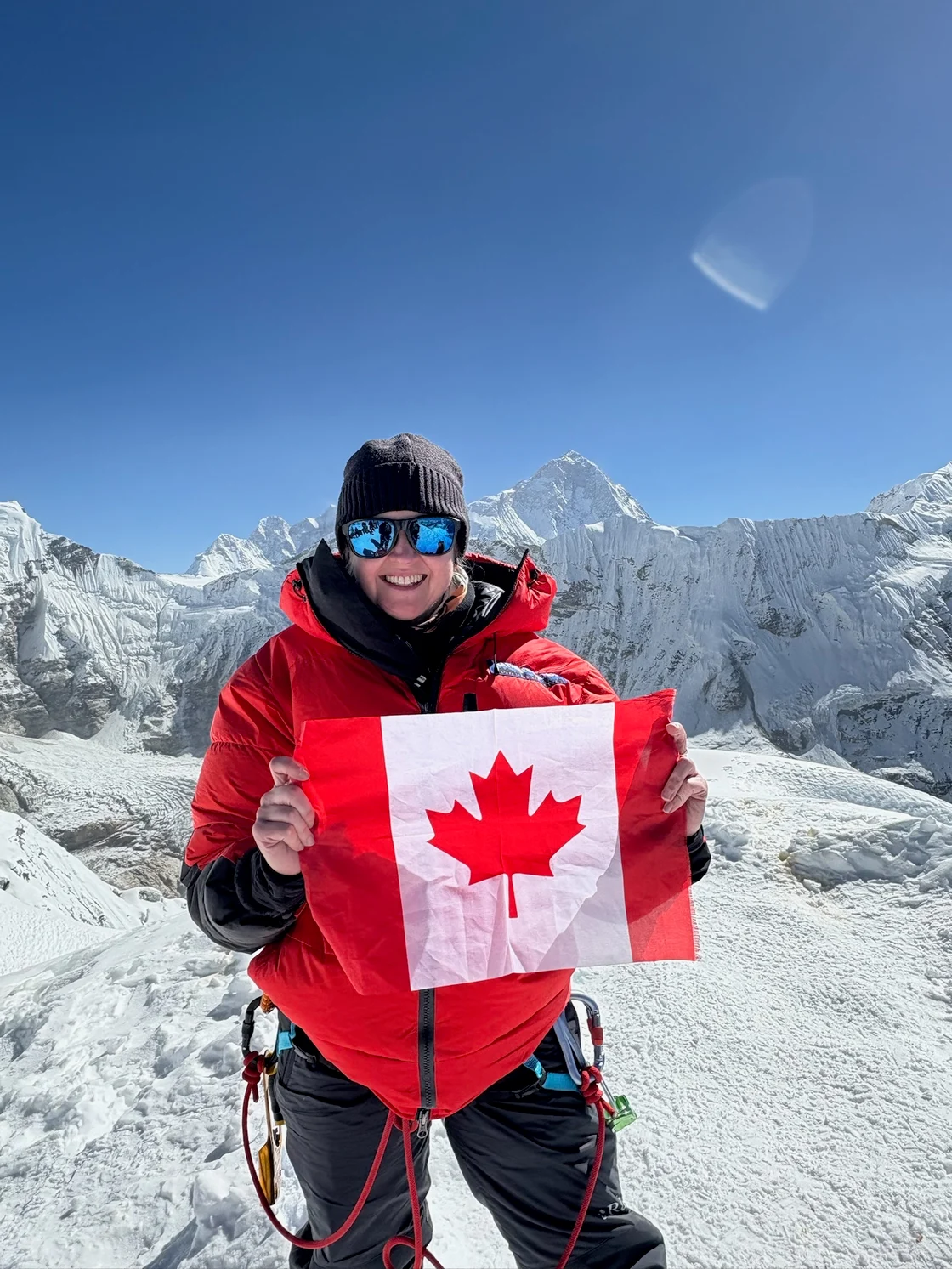
In late 2025, a group of Altitude members travelled to Nepal’s Khumbu region to take on one of the Himalayas’ classic alpine objectives: Island Peak (6,189 m).
Set deep within the Everest region, the climb combines high-altitude trekking with technical mountaineering, demanding not just physical fitness, but patience, adaptability, and the ability to perform as the environment becomes progressively more unforgiving.
For Harry, Maia, Craig, and Thomas, the journey was not defined by a single moment on the summit, but by everything that led up to it—days of steady movement through the Khumbu Valley, the cumulative effects of altitude, and the quiet, focused work required to move safely and confidently above 6,000 metres.
What follows is a look inside their experience.
The Road to the Peak: Harry
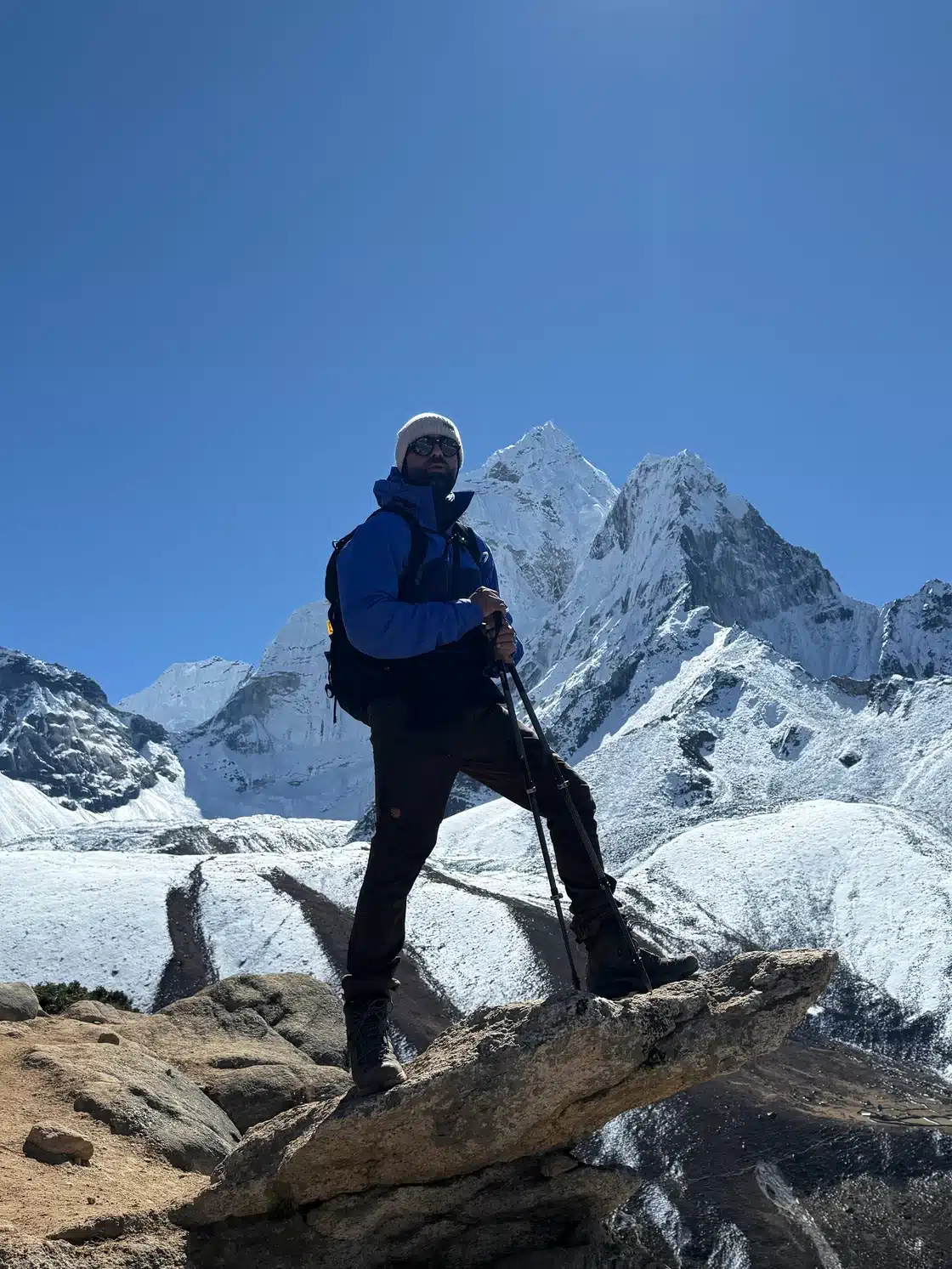
Altitude member Harry alongside members Thomas, Maia, and Craig travelled to the Khumbu region of Nepal and successfully summited Island Peak (6,189 metres)—a demanding alpine objective.
His experience reflects something we see often at Altitude: when preparation meets purpose, people discover capabilities they didn’t know they still had.
Upon arrival in Kathmandu, Harry was immediately immersed in the intensity of Nepal, from the colour, noise, movement, and underlying stillness that defines the place. The trek began with a flight into Lukla, followed by gradual movement through Phakding and up to Namche Bazaar. As the team moved through Tengboche, Dingboche, and Lobuche, each day layered beauty with cumulative fatigue.
Before reaching Everest Base Camp, the group crossed the Changri Shar Glacier moraine, which is a narrow, unstable traverse with significant exposure. Reaching Everest Base Camp was significant, but for Harry, it was not the finish line.
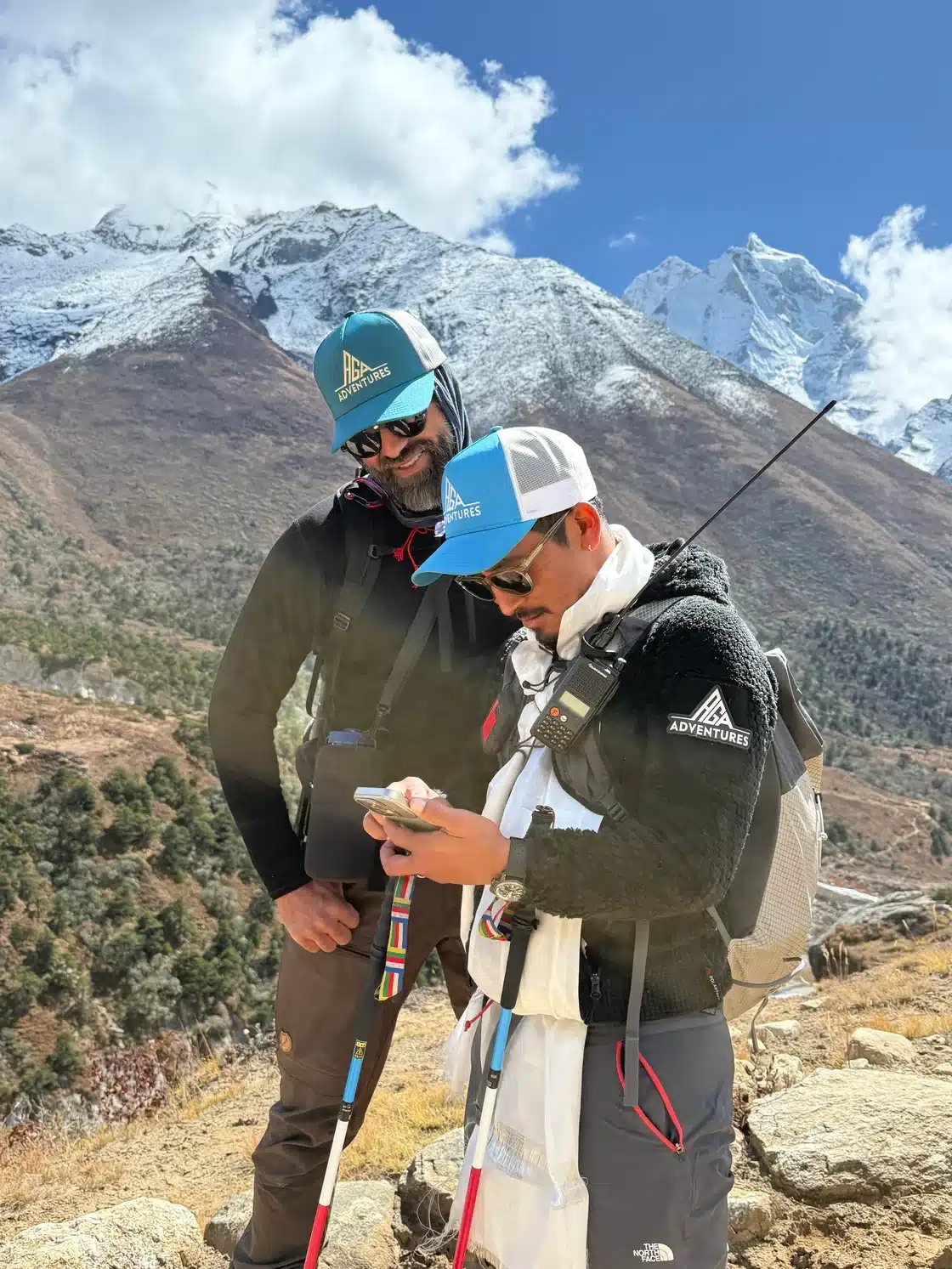
From Dingboche, seven climbers carried on toward Island Peak. As the trail narrowed and quieted, Island Peak came fully into view. This is where Harry saw the steep, technical, and unmistakably serious climb ahead of him come into view.
For Harry, this objective represented more than a summit. He dedicated the climb to first responders carrying invisible injuries and to anyone rebuilding themselves after trauma.
The summit push began around 12:30 a.m. When first light reached the mountain, the internal noise quieted. Movement became deliberate. The final headwall demanded sustained effort, coordination, and calm execution—every element Harry had trained for. He reached the summit exhausted, emotional, and deeply grateful.
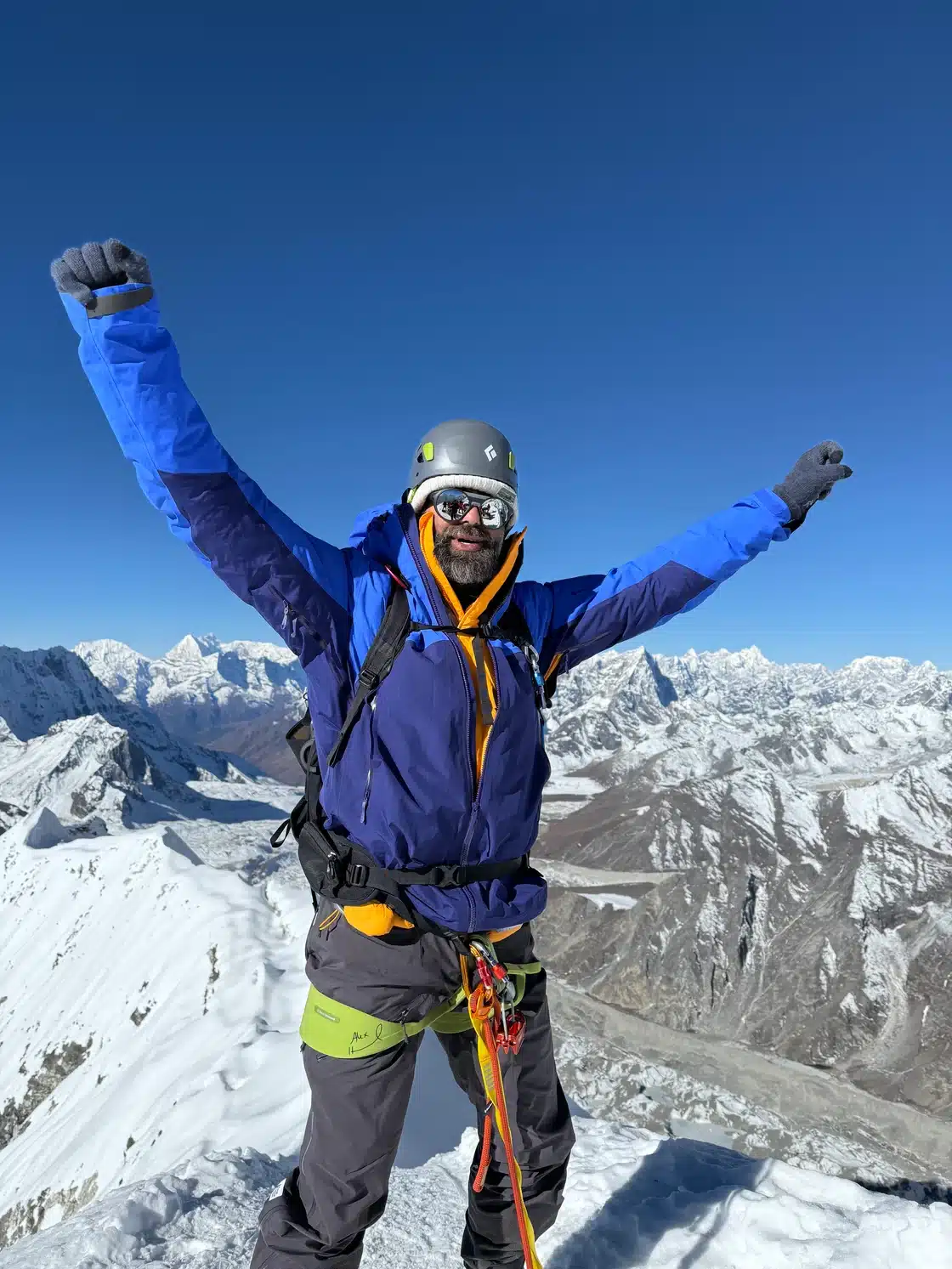
Harry did not return from Nepal feeling triumphant, he returned feeling clear. The mountains stripped things down to what mattered: breath, movement, awareness, and trust in preparation, in partners, and in oneself.
Beyond the Summit: Maia & Craig in the Himalayas
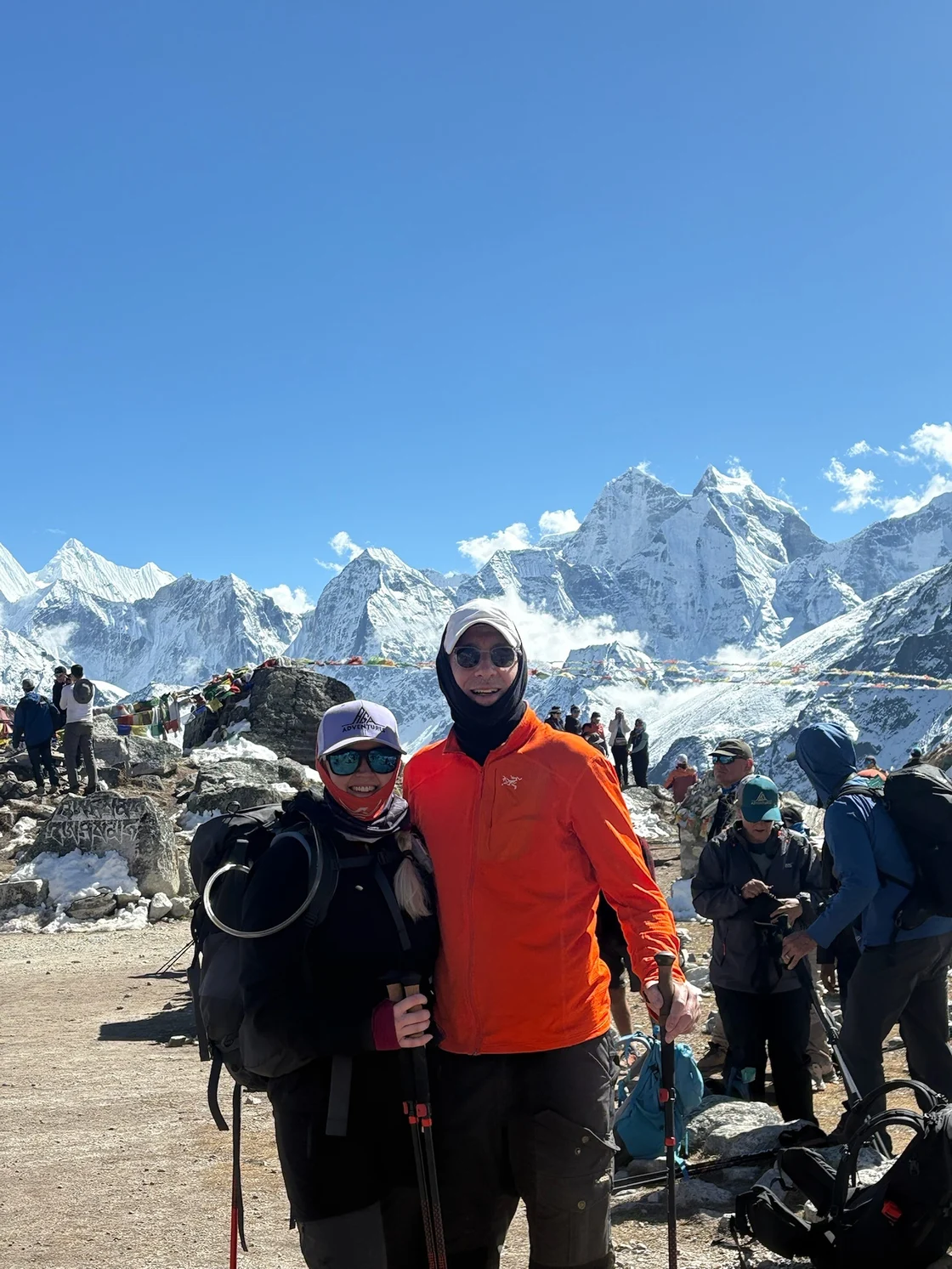
Altitude members Maia and Craig, alongside Harry and Thomas, took part in the Everest Base Camp trek with AGA Adventures, joining a Toronto-based group for the expedition.
“Nepal had been on our list for years, and this expedition exceeded every expectation.”
Supported by experienced guides, including Gelje Sherpa, the group travelled from village to village, navigating suspension bridges, long stair sections, and a variety of terrain, while staying in local tea houses along the route. As the trek progressed, days became more physically demanding with increasing altitude.
While Craig unfortunately had to pause due to illness, Maia continued on to take on Island Peak.
After nearly nine hours of climbing, Maia reached the summit — a meaningful milestone after a long and demanding day. The team then began the careful descent, returning to base camp after an additional five hours.
It was a long day on the mountain, and the group finished tired but proud of what had been achieved.
Guiding the Way: Thomas on Island Peak
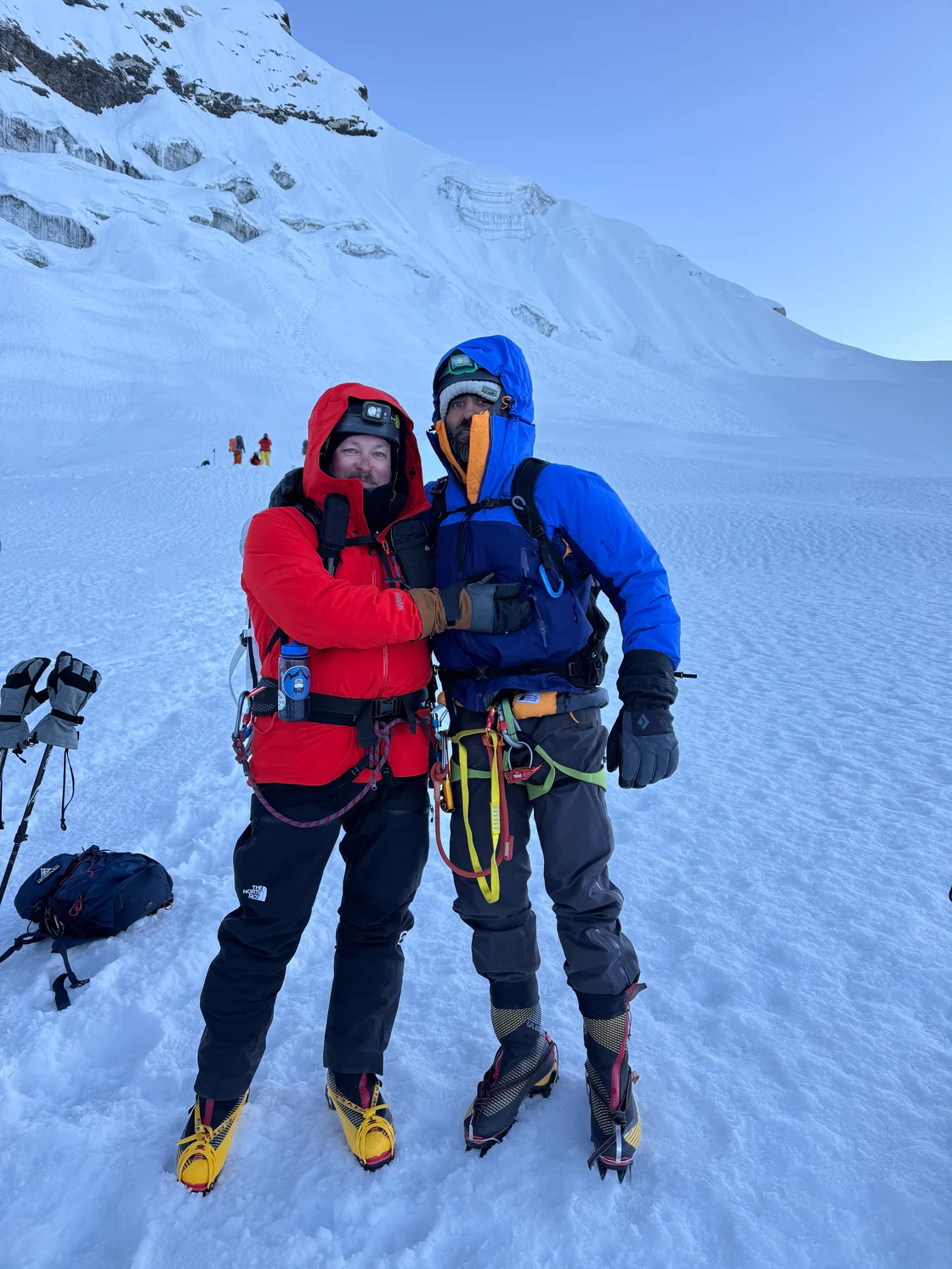
This year, Thomas returned to Nepal, successfully summiting Island Peak alongside Maia and Harry. On this trip, he reinforced the idea that these environments are not just physical terrain, but places shaped by generations of Sherpa knowledge, resilience, and stewardship.
Throughout the season, he played a dual role, one as a climber and one as a mentor. Whether pacing a summit push, offering quiet reassurance in difficult moments, or knowing when to step back and let others find their rhythm.
None of this work happens by accident.
Thomas credits much of his confidence and consistency at altitude to the foundation built at Altitude.
“None of this would have been possible without the foundation built at Altitude Athletic Training in Toronto. Having access to a gym and coaching environment that truly understands the physical and mental demands of mountaineering is something I am deeply thankful for.”
Structured programming, heavy pack work, long aerobic sessions, and a training environment that understands the real demands of mountaineering translated directly to safety and decision-making above 6,000 metres. When conditions become serious, preparation was not optional, it was everything.
“As I reflect on this season, I feel nothing but gratitude—for the mountains, the people, the training, and the chance to share the journey.”
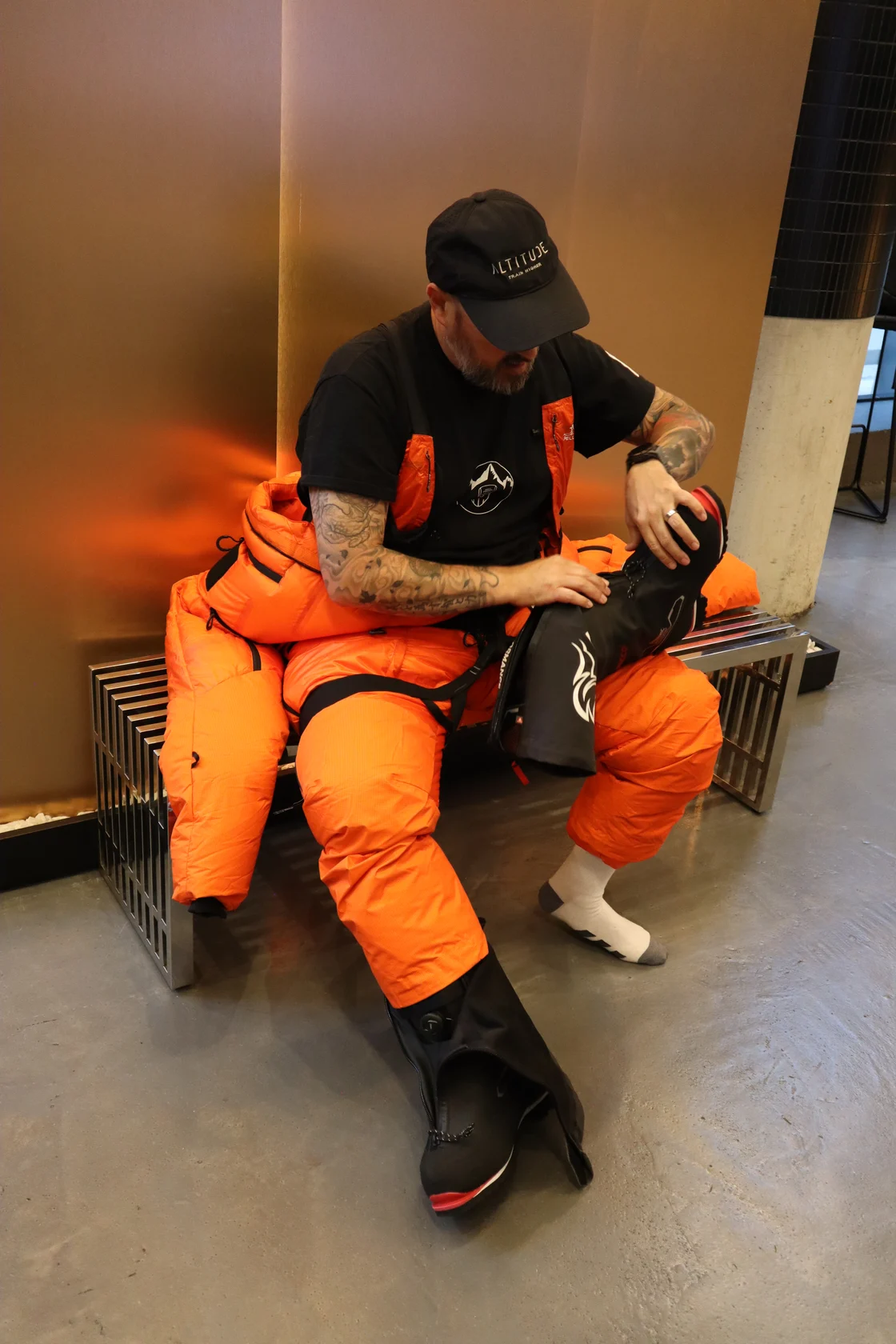
What the Mountains Give Back
Across each of these experiences, a consistent theme emerges.
The mountains don’t just test physical capacity—they refine it. They strip away distraction and bring focus back to the fundamentals: breath, movement, awareness, and trust. Trust in preparation. Trust in the people around you. And ultimately, trust in yourself.
An Island Peak climb in Nepal is not defined by a single moment on the summit. It’s shaped by everything that comes before it—the days spent moving through the Khumbu region, the progression through the Everest Base Camp trek, and the ability to continue performing as altitude increases and conditions become more demanding.
Above 6,000 metres, small decisions carry weight. Preparation becomes the difference between reacting and responding.
For this group, the summit was not the only outcome that mattered.
It was the clarity gained through the process. The resilience built along the way. And the confidence that comes from knowing you can operate in environments that once felt uncertain.
As they return from Nepal, the mountain stays with them—not as a single achievement, but as a reference point for what is possible when preparation meets purpose—and what it truly takes to prepare for a high-altitude expedition.
Book Your Himalayan Training Consult
Are you planning an expedition to Nepal, Everest Basecamp and the Himalayas? Book a complimentary consultation with an expert Altitude coach and discuss your preparation.